Masters In Media And Entertainment is a dynamic postgraduate degree designed for those who dream of shaping the future of storytelling, screen, and digital culture. With the media world rapidly evolving, this program blends creativity with real world industry insight, making it a smart choice for ambitious minds. Whether you are passionate about film, television, or digital content, this degree opens the door to exciting, creative careers in today is fast moving media landscape.
Why Choose Masters In Media and Entertainment?
Masters in Media and Entertainment industry is no longer just about films, television, or radio it’s a global powerhouse of storytelling, technology, and business innovation. From streaming platforms and digital marketing to gaming, music, and immersive technologies like AR/VR, the field is evolving at lightning speed.

Pursuing a Master’s in Media and Entertainment gives you more than just academic knowledge—it equips you with:
- Industry-Relevant Skills: Learn how to merge creativity with business strategy, data analytics, and emerging technologies to stay ahead in a competitive market.
- Global Career Opportunities: With the industry projected to grow into trillions of dollars worldwide, graduates can enter diverse roles in film, OTT platforms, advertising, gaming, talent management, or media consulting.
- Creative + Managerial Edge: Unlike traditional programs, this degree balances artistic innovation with leadership, finance, and entrepreneurship, preparing you to both create and lead.
- Networking & Mentorship: Connect with industry professionals, guest faculty, and alumni who open doors to collaborations and high-profile projects.
- Future-Proof Learning: As AI, digital media, and cross-platform content become dominant, you’ll gain the adaptability to thrive in tomorrow’s entertainment landscape.
Key Subjects and Modules Of Masters In Media And Entertainment
A Master’s in Media and Entertainment blends creative arts, business acumen, and technological innovation. The curriculum is designed to prepare students for leadership roles while keeping pace with industry trends. Typical modules include:
Media Economics & Business Strategy
Understand how global media giants operate, explore revenue models (streaming, advertising, licensing), and learn to develop profitable strategies for content and distribution.
Entertainment Law & Intellectual Property Rights
Master the legal aspects of media copyrights, contracts, digital rights management, and talent agreements so you can protect creativity while navigating global markets.
Content Creation & Storytelling
Dive into the art of compelling narratives across film, television, digital platforms, podcasts, and gaming equipping you to connect with audiences worldwide.
Marketing, Branding & Audience Analytics
Learn how to leverage data-driven insights, social media strategies, and consumer psychology to promote media projects effectively.
Digital Media & Emerging Technologies
Explore the impact of AI, AR/VR, gaming, and streaming platforms on storytelling and distribution. Future-proof your career with hands-on exposure to tech-driven trends.
Production & Project Management
Gain practical skills in budgeting, scheduling, and managing large-scale productions essential for roles in film, OTT, and live events.
Global Media Landscapes & Cultural Studies
Study how culture, politics, and globalization influence entertainment, preparing you for an international career.
Capstone Project / Industry Internship
Apply classroom learning to a real-world project or internship, building a professional portfolio that strengthens your industry presence.
You need to visit this link: Showbox APK
Career Paths & Job Options Of Masters In Media And Entertainment
Masters in Media and Entertainment prepares students for a wide range of exciting careers across the media and creative industries. Graduates can explore roles such as:
Film and TV Producer
Producers are the visionaries who transform an idea into a full-scale production. From securing funding and assembling teams, to overseeing shooting schedules and post-production, they are the backbone of the film and television industry. A master’s degree equips producers with both creative judgment and business acumen—skills that ensure projects are not only artistic successes but also commercially viable.
Media Planner
In today’s fragmented media landscape, media planners act as navigators. They analyze audience behaviors, consumption trends, and platform performance to determine where and when a brand should appear for maximum impact. With advanced training, they learn to combine data analytics with creative insight, ensuring campaigns cut through the noise and reach the right people at the right time.
Content Strategist
Content is no longer just about quantity it’s about resonance. A content strategist designs storytelling frameworks that align with brand identity, audience interests, and long-term growth goals. With expertise in cross-platform storytelling, a strategist ensures that every piece of content from blog posts to web series builds a consistent narrative that engages and converts audiences.
Broadcast Journalist
Broadcast journalists are the bridge between events and the public. They gather, verify, and deliver stories in compelling formats across TV, radio, and digital platforms. At the master’s level, they refine skills in investigative research, ethical reporting, and multimedia storytelling qualities that define credible journalism in an era of information overload and “fake news.”
Entertainment Manager
Behind every successful artist, production, or event is an entertainment manager. They coordinate contracts, finances, and schedules, while also negotiating partnerships and brand deals. With formal training, entertainment managers learn how to balance creativity with business strategy—ensuring that talent thrives both artistically and commercially.
Scriptwriter
Great stories power the entertainment industry, and scriptwriters are the architects of those narratives. Whether for film, television, or digital series, they craft dialogue, characters, and story arcs that captivate audiences. A master’s program not only sharpens storytelling craft but also trains writers to adapt across genres and platforms, making them indispensable in a transmedia era.
Digital Media Consultant
Brands and studios alike now rely on digital-first strategies. A digital media consultant helps them adapt by identifying opportunities in SEO, influencer marketing, streaming platforms, and emerging technologies like VR/AR. With advanced expertise, they become trusted advisors who align digital innovation with measurable business outcomes.
Public Relations Officer (PRO)
Reputation is currency in the media and entertainment world. PROs craft messaging, manage crises, and build positive relationships between brands, artists, and their audiences. With postgraduate specialization, they gain mastery in strategic communication, media ethics, and digital PR—skills that are essential in an age where one viral moment can make or break a career.
Creative Director
A creative director is the mastermind behind a project’s artistic identity. They shape everything from visual aesthetics to storytelling tone, ensuring cohesion across all creative outputs. With a master’s degree, they refine leadership abilities, design thinking, and trend forecasting—enabling them to lead cross-functional teams and consistently deliver fresh, innovative campaigns.
Social Media Manager
Social platforms have become the heartbeat of media and entertainment. A social media manager doesn’t just post content they craft narratives, analyze engagement, and build communities. With advanced training, they learn how to turn likes and shares into tangible brand loyalty, and how to harness social data to drive storytelling decisions.
Application Tips & Timeline Of Masters In Media
Masters in Media and Entertainment requires smart planning and clear preparation. To make your application stand out, keep these tips in mind:
- Start researching programs early
- Focus on a strong personal statement
- Keep academic records ready and organized
- Highlight any creative or media related work
- Request recommendation letters in advance
- Double check all deadlines
- Apply to more than one university
- Be ready for interviews, if required
- Stay professional in communication
- Keep copies of all submitted documents
Future Outlook & Industry Trends Of Masters In Media and Entertainment
Masters in Media and Entertainment connects directly with fast moving industry changes, helping graduates stay ahead. The future looks promising with strong demand in areas such as:
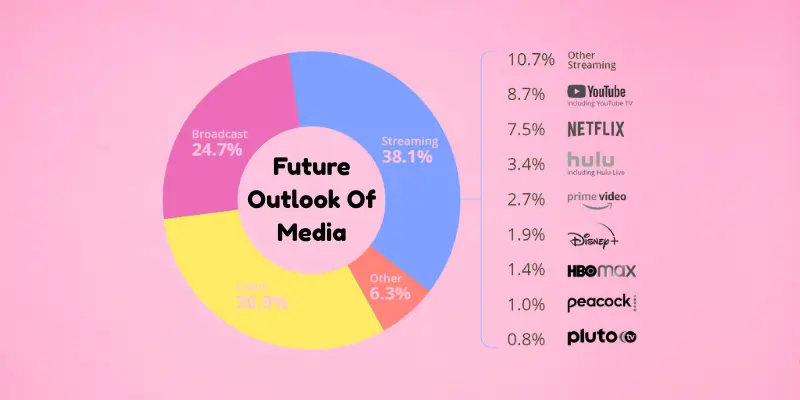
- Growth of streaming platforms and online content
- Rise of short form video and social media careers
- Expansion of virtual and augmented reality
- Increasing need for content creators and media managers
- Integration of AI in media production
- Global demand for digital storytelling
- Stronger focus on diversity and inclusion in media
- Evolving audience behaviour and digital habits
Challenges & How To Overcome Them In Masters In Media and Entertainment
1. High Competition
- Challenge: The industry is highly competitive with limited roles for fresh graduates.
- Solution: Build a strong portfolio, network actively, and take internships during your course.
2. Uncertain Job Market
- Challenge: Job security and stability can be low in creative roles.
- Solution: Diversify your skills (e.g., editing, writing, marketing), stay updated with industry trends, and consider freelance opportunities.
3. Financial Investment
- Challenge: Tuition and living expenses for the master’s program can be high.
- Solution: Look for scholarships, assistantships, part time jobs, or online freelancing to support your education.
4. Intense Curriculum
- Challenge: Courses may be rigorous and involve tight deadlines, practical work, and creative pressure.
- Solution: Manage your time well, collaborate with peers, and seek help from mentors or faculty when needed.
5. Technological Advancements
- Challenge: Constant evolution in media tools, software, and platforms.
- Solution: Regularly update your technical skills through workshops, certifications, and self learning.
6. Networking Pressure
- Challenge: Success often depends on who you know in the industry.
- Solution: Attend seminars, events, join alumni groups, and engage with professionals on LinkedIn.
7. Balancing Creativity and Business
- Challenge: Need to maintain artistic vision while meeting commercial goals.
- Solution: Learn business basics (marketing, budgeting), and adapt your creativity to industry needs.
8. Global Competition
- Challenge: International candidates and trends increase competition.
- Solution: Develop a unique voice or niche, and gain cross cultural media exposure or internships.
You need to visit this link: Jaketa Media And Entertainment Private Limited
Common FAQs About Masters In Media And Entertainment
Masters in Media and Entertainment often raises important questions for future students. Here are some common ones:
What background do I need for this degree?
A bachelor’s in media, communication, or a related field is usually helpful.
Is a portfolio required for admission?
Some programs may ask for samples of creative work.
Can I study this program online?
Yes, many universities offer online or hybrid options.
What kind of jobs can I get after graduating?
Roles in film, digital media, content strategy, and entertainment business.
How long does the degree usually take?
Most programs take 1 to 2 years, depending on the study mode.
Conclusion
Pursuing a Masters in Media and Entertainment is an excellent pathway for those looking to carve a dynamic, creative career in the ever-evolving media landscape. This degree goes beyond academic knowledge it equips you with practical skills, industry insight, and a forward-looking perspective that prepares you for real-world opportunities. Combining passion with focused learning, it opens doors to meaningful work that bridges ideas, stories, and audiences, allowing you to make an impact in a fast-paced, innovative industry.
You need to visit this link: Gambling Game Crossword