Fencing for sports is more than just a game with swords it is a fast, exciting, and smart way to stay active and sharp. Often called “physical chess,” fencing builds focus, balance, and confidence while giving your body a full workout. Whether you are a beginner looking for a new hobby or a young athlete curious about something different, fencing offers a safe and fun environment to grow stronger both mentally and physically. It’s one of the few sports where quick thinking is just as important as quick feet.
A Short History of Fencing For Sports
Fencing for Sports has a long and fascinating history that dates back hundreds of years. What began as real sword fighting between knights and nobles slowly turned into a respected sport focused on skill, speed, and control. In the 18th century, fencing schools became popular across Europe, teaching people how to fight with honour and precision.
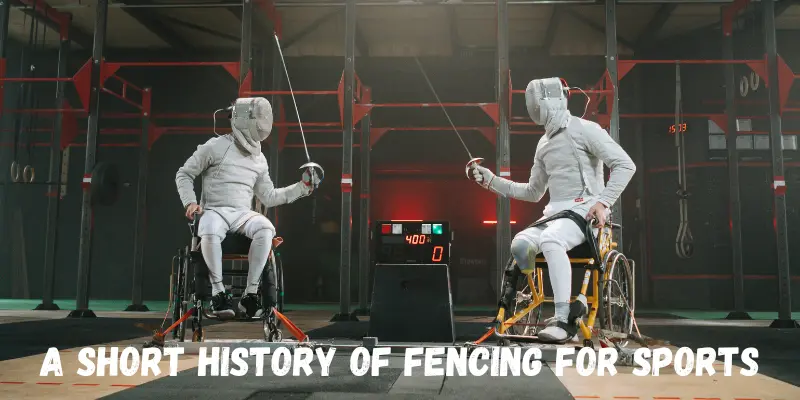
Over time, the practice evolved from deadly duels into a safe, competitive sport with clear rules and protective gear. Today, fencing is part of the Olympics and enjoyed by people of all ages around the world not just for its tradition, but for the challenge and excitement it brings.
Types of Fencing Styles For Sports
Fencing for Sports offers three exciting and unique styles, each with its own rules, weapons, and rhythm. Whether you enjoy fast attacks or smart defence, there’s a fencing type for every personality and skill level.
1. Foil
This is a light and flexible sword. Only the torso is the target area, and points are scored with the tip of the blade. It’s great for learning precision and control.
2. Épée
Heavier than foil, the épée allows the entire body to be a target. There are no special rules about who gets the point if both fencers hit at the same time, both score. It’s a style that rewards patience and strategy.
3. Sabre
This style is all about speed. The blade can hit with the edge or the tip, and only the upper body is a valid target. Sabre fencing is fast, aggressive, and thrilling to watch.
You may also visit this link: School Sports Equipment
Equipment Needed To Fencing For Sports
Fencing for Sports requires a special set of gear to keep the game safe, fair, and enjoyable. Each piece of equipment is designed to protect the fencer while allowing full movement and accuracy during a match.
Fencing Sword
Fencing swords come in three main types: foil, épée, and sabre. Made from lightweight, flexible metal, each sword is specifically designed to balance speed, control, and accuracy. Choosing the right sword depends on the fencing style, but all provide the precision needed for fast-paced bouts.
Mask
A fencing mask is a sturdy helmet with a fine mesh covering that protects the face and head. Despite its strong construction, the mesh allows clear visibility, ensuring fencers can react quickly without compromising safety.
Jacket and Underarm Protector
The fencing jacket is a padded garment that shields the upper body, arms, and torso. For added protection, fencers wear an underarm protector, which provides extra safety for vulnerable areas during intense bouts, reducing the risk of injury.
Glove
The fencing glove is worn on the weapon hand. It not only improves grip and handling of the sword but also protects the fingers, wrist, and hand from accidental strikes, ensuring comfort and control during matches.
Breeches and Long Socks
Fencing breeches cover the lower body from the waist to just below the knees. They are worn with long socks that extend above the knee, offering full protection for the legs while allowing freedom of movement for quick lunges and footwork.
Chest Protector (Optional but Common)
Many fencers, especially female athletes, use a chest protector for extra safety and comfort. This optional gear shields the chest from accidental hits and helps fencers feel more confident and secure during competitions.
Body Cord and Lamé
In electric fencing, the body cord and lamé are crucial for scoring. The cord connects the fencer’s weapon to the electronic scoring system, while the lamé (a metallic vest) registers valid hits, ensuring accurate scoring and fair competition.
With the right gear, fencing becomes a sport that’s not just thrilling but also one of the safest combat games out there.
Rules and Scoring Basics For Fencing Sports
Fencing for Sports follows clear rules to keep matches fair, fast, and full of excitement. While each fencing style has its own details, the basic principles are easy to understand and fun to follow.
- Scoring a Point: Points are earned by hitting the opponent on valid target areas using the correct part of the sword the tip for foil and épée, and the tip or edge for sabre.
- Right of Way (Foil & Sabre): In these styles, only one fencer can score at a time. The point goes to the one who starts the attack first or defends correctly. It encourages smart timing and fast reactions.
- Double Touch (Épée only): If both fencers land a valid hit at the same time, both get a point. There’s no “right of way” rule here.
- Match Format: Fencing bouts are usually played up to 15 points or in three 3-minute rounds. The winner is the one who scores more points within the time limit.
- Ties and Priority: If the score is tied at the end of the match, one fencer is randomly given “priority.” If no one scores during the extra time, the one with priority wins
Training Tips Of Fencing For Sports
Fencing for Sports becomes even more rewarding when you train smart. Whether you’re just starting out or looking to sharpen your skills, these simple tips can help you improve faster and enjoy the process more.
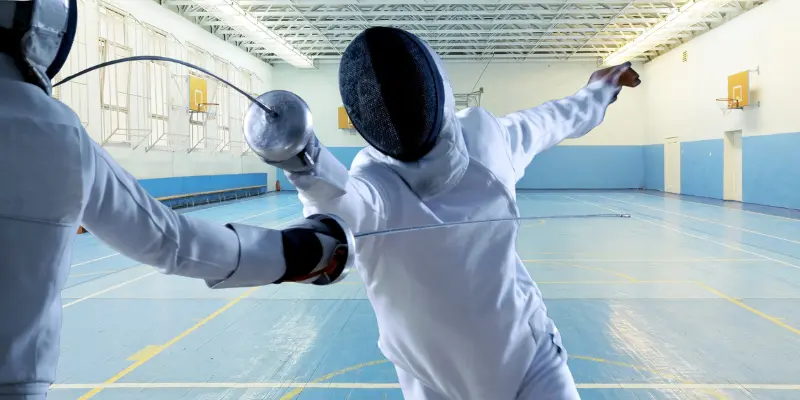
- Focus on Footwork First: Good movement is the heart of fencing. Practice advancing, retreating, and lunging daily even without a sword.
- Build Your Reaction Time: Play quick-response games, shadow fence, or use a mirror to practice reacting to fake moves and sudden changes.
- Watch and Learn: Watching experienced fencers, whether at your club or online, helps you understand timing, tactics, and body control.
- Train Your Mind Too: Fencing is mental. Stay calm, think ahead, and learn to read your opponent’s body language during a bout.
- Stay Consistent: Even short, regular practice sessions are better than long, irregular ones. Consistency builds muscle memory and confidence.
- Work on Your Fitness: Light cardio, balance drills, and flexibility exercises can support your fencing performance and reduce injury risk.
You may also visit this link: TheStripesBlog.com Sports
Benefits of Fencing For Sports
Fencing for Sports offers more than just competition it builds both body and mind in a fun, fast-paced way. Whether you’re looking to stay fit, sharpen your focus, or just try something new, fencing delivers real value for every age group.
| Pros Of Fencing For Sports |
| Physical Fitness: Fencing improves balance, speed, coordination, and flexibility. It’s a full-body workout that keeps you active without feeling boring. |
| Mental Sharpness: Often called “physical chess,” fencing trains your brain to make quick decisions, read your opponent, and stay one step ahead. |
| Confidence & Discipline: As you master new skills and techniques, you build self-confidence and learn how to stay calm under pressure. |
| Social Connection: Fencing clubs and events are great places to meet new people, build friendships, and become part of a positive, supportive community. |
| Safe & Inclusive: With proper gear and rules, fencing is one of the safest combat sports and it’s open to everyone, regardless of age or athletic background. |
Common FAQs About Fencing for Sports
Fencing for Sports often raises questions from those who are new to it. Here are some of the most common ones answered in a clear and simple way.
Is fencing safe for kids?
Yes, fencing is very safe. With protective gear and clear rules, it’s one of the safest combat sports for children and beginners.
Do I need to be athletic to start fencing?
Not at all. Fencing welcomes people of all fitness levels. As you train, your strength and agility naturally improve over time.
Which fencing style is best for beginners?
Most beginners start with foil, as it teaches the basic movements and rules. It’s light and easier to control for learning.
How long does it take to get good at fencing?
That depends on how often you practice. With regular training, most people see real progress within a few months.
Is fencing expensive?
Many clubs offer beginner packages with rental gear. Once you decide to continue, you can slowly buy your own equipment.
Can girls and boys both fence?
Absolutely, Fencing is equally popular among boys and girls, and competitions are open for all genders.
Is fencing only for young people?
No, fencing is a lifelong sport. Many adults and even seniors enjoy it for fun, fitness, and mental challenge.
Conclusion
Fencing for sports is far more than a competitive activity it is a perfect harmony of physical fitness, mental agility, and personal development. Engaging in fencing helps improve strength, reflexes, balance, and endurance while simultaneously sharpening focus, strategy, and decision-making skills. Whether you are seeking a fresh way to stay active, explore a new hobby, or challenge your mind in a stimulating environment, fencing provides an exhilarating and unique experience. It is a safe and inclusive sport, welcoming participants of all ages and skill levels, offering both individual growth and opportunities for friendly competition. Beyond the physical and mental benefits, fencing cultivates confidence, discipline, and resilience, making it a truly rewarding pursuit for anyone looking to enrich their life through sport.
Written by: Apkhue